No two people are exactly the same. In fact, even identical twins aren’t exactly alike, as they have different loops and whorls lining the ends of their fingerprints.1 The environment a person lives in, as well as the memories and opinions a person carries throughout life, can bend and shape the way a person thinks, feels, and behaves. It’s what makes people beautiful, but it’s also what makes treating an addiction such a challenge.
 Alternative drug rehab programs cater to the needs of individuals who are looking for a different approach to drug addiction treatment.
If the more traditional methods of treating drug addiction and mental illness don’t align with patients’ needs or preferences, alternative approaches such as these may better suit them:
- Acupuncture – Needles administered at accupoints may affect drug-induced physiological activities.2
- Meditation – Mindfulness-Based Stress Reduction (MBSR) and other forms of meditation may help.3
- Massage – Positive effects may be found in treating anxiety, depression and other related conditions.4
- Yoga – Such relaxation exercises may produce a sense of inner strength and positive outlook.5
- Chanting– This may serve as a secular approach to reaching a higher power or spiritual perspective.6
- Reiki – Reiki therapy for addiction may reap health and spiritual benefits via relaxation and calm.7
- Aromatherapy – Addresses the emotional and suppressed psychological reasons for substance abuse.8
- Vitamin supplementation – Nutrient boost can pull patients out of depression, anxiety, substance use.9
With or Without 12 Steps
Traditional addiction treatment programs often ask clients to utilize a 12-Step program, like Alcoholics Anonymous (AA) or Narcotics Anonymous (NA). These programs expect patients to follow a series of steps that are intended to lead to long-term sobriety.
Surrender to a higher power is built into this approach. Many people find the idea of giving up control appealing. It allows them to tap into a larger source of strength. But there are some people who find this notion uncomfortable or ingenuous.
Studies suggest that the 12-Step approach can have a big impact on success of recovery for many. On the other hand, there is evidence that this system isn’t right for everyone. So, since alternate programs may utilize various support group models, not all approaches rely upon a higher power of some kind.11
Women in Recovery
While some women benefit from programs that also allow men, there are situations in which women need specialized care. For example, women with small children may need special accommodations during treatment. Women who have a history of trauma or abuse tend to feel more comfortable, naturally, in female-only settings. Mixed-gender therapy groups can stifle some girls’ willingness to open up. They may be scared of men in general due to their past negative experiences.12 Studies show that women in programs that provide such accommodations are generally able to achieve sobriety faster and longer.
Spiritual Connections
Addiction and mental health issues do not discriminate. People of faith, those who attend religious services, are not exempt. Treatment programs that include spirituality as a core component provide a familiar touchstone for people who value and practice their faith.
Programs designed for such individuals might blend in their foundational tenets by:
- Asking clients to participate in daily religious services.
- Perhaps using the name Jesus or God in place of higher power in 12-Step meetings.
- Using Bible-based stories as part of therapy sessions.
- Taking time for prayer before meals and bedtime.
- Placing inspirational or worship pieces around them.
Programs like this can give people of faith a framework by which they can understand their personal crises. They can draw upon the strength of their fellow believers or practicing peers as they work toward healing. When the course of treatment is finished, they might lean on this affinity network for accountability and support. Many such Christian resources are available nationwide.13
Executive Options
Executive rehab programs accommodate people who feel a need to forge ahead with career schedules and goals while receiving treatment. These services and settings can vary greatly.
Inpatient programs may provide computers and Internet access, so the patients can stay connected with what’s going on at the office. Outpatient programs might hold therapy sessions on weekends or evenings, so the patients can continue to work during the day.
These approaches might include therapy that specifically helps the patients learn how to manage personal and interactional issues. They practice handling such situations without substances.
Making a Wise Choice
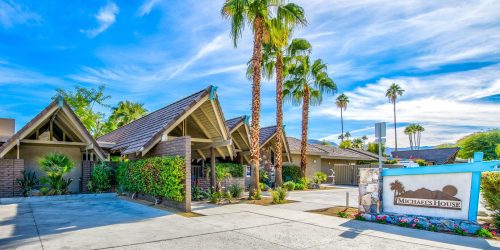
Michael’s House offers a wide variety of drug addiction and mental health disorder solutions in a serene, recovery-centered environment. Our team of highly experienced professionals use state-of-the-art resources and holistic methods designed to meet highly individual needs.
At Michael’s House, a personalized treatment plan is thoughtfully developed for each unique patient. We can discuss special housing for men and for women. Whatever you need to get on the road to recovery, you can find it here at Michael’s House.
When you contact us on our 24/7, toll-free line at 760.548.4032, you will receive the information and support you need to take that first step toward recovery. We will meet you where you are.
Sources
1 O’Connor, Anahad. “The Claim: Identical Twins Have Identical Fingerprints.” New York Times. 2 November 2004.
2 “Acupuncture Therapy for Drug Addiction.” National Center for Biotechnology Information. 5 April 2016.
3 “Mindfulness-Based Therapies for Substance Use Disorders: Part 1.” Substance Abuse, Volume 30, Issue 4, Page 263. October-December 2009.
4 “Massage Therapy for Health Purposes.” National Center for Complementary and Integrative Health. June 2016.
5 “Yoga for Addiction Recovery.” Yoga Journal. 11 October 2012.
6 “Complementary Therapy for Addiction: ‘Drumming Out Drugs.’” American Journal of Public Health, Volume 93, Issue 4, Pages 647-651. April 2003.
7 “Holistic Therapy Spotlight: Reiki Therapy for Addiction.” Sober Nation. 24 March 2016.
8 “Treating Addiction With Essential Oils.” Monq.com. 10 October 2017.
9 “Substance Abuse and Nutrition.” Today’s Dietitian.December 2014.
10 “The Use of Complementary and Alternative Medicine in the United States.” National Center for Complementary and Integrative Health. 24 September 2017.
11 “How Do 12-Step or Similar Recovery Programs Fit Into Drug Addiction Treatment?” National Institute on Drug Abuse. June 2013.
12 “Substance Abuse Treatment for Women.” National Center for Biotechnology Information. 2009.
13 “Religion, Spirituality and Health: The Research and Clinical Implications.” ISRN Psychiatry. 2012.