Most rehab specialists agree that addiction should be considered a chronic medical condition that can never be truly “cured.” Just as people with diabetes need to make significant lifestyle changes to keep their disease under control, people struggling with addiction need to change their entire lives to keep a relapse from occurring. For many people struggling with addiction, this idea can be daunting. After all, many have structured their entire lives around their opiate addiction. They may no longer have strong ties with family members or even jobs, and some may not even have a place to call home. Instead, they’ve focused all their energies on getting the next hit.
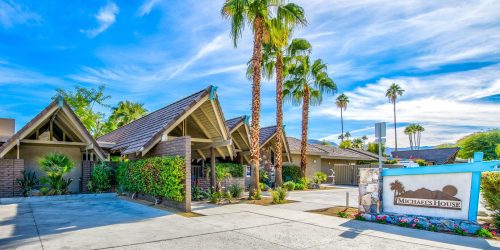
It can be hard to imagine rebuilding a new life from the ground up. Opiate addiction treatment programs can help, as they aim to give patients the tools needed to stay sober for a lifetime. Michael’s House is an opiate rehab center in Palm Springs that offers an opiate addiction treatment program and other substance abuse treatment programs that all work with that same philosophy. Call 760.548.4032 to find out more information on the opiate addiction program in Palm Springs.